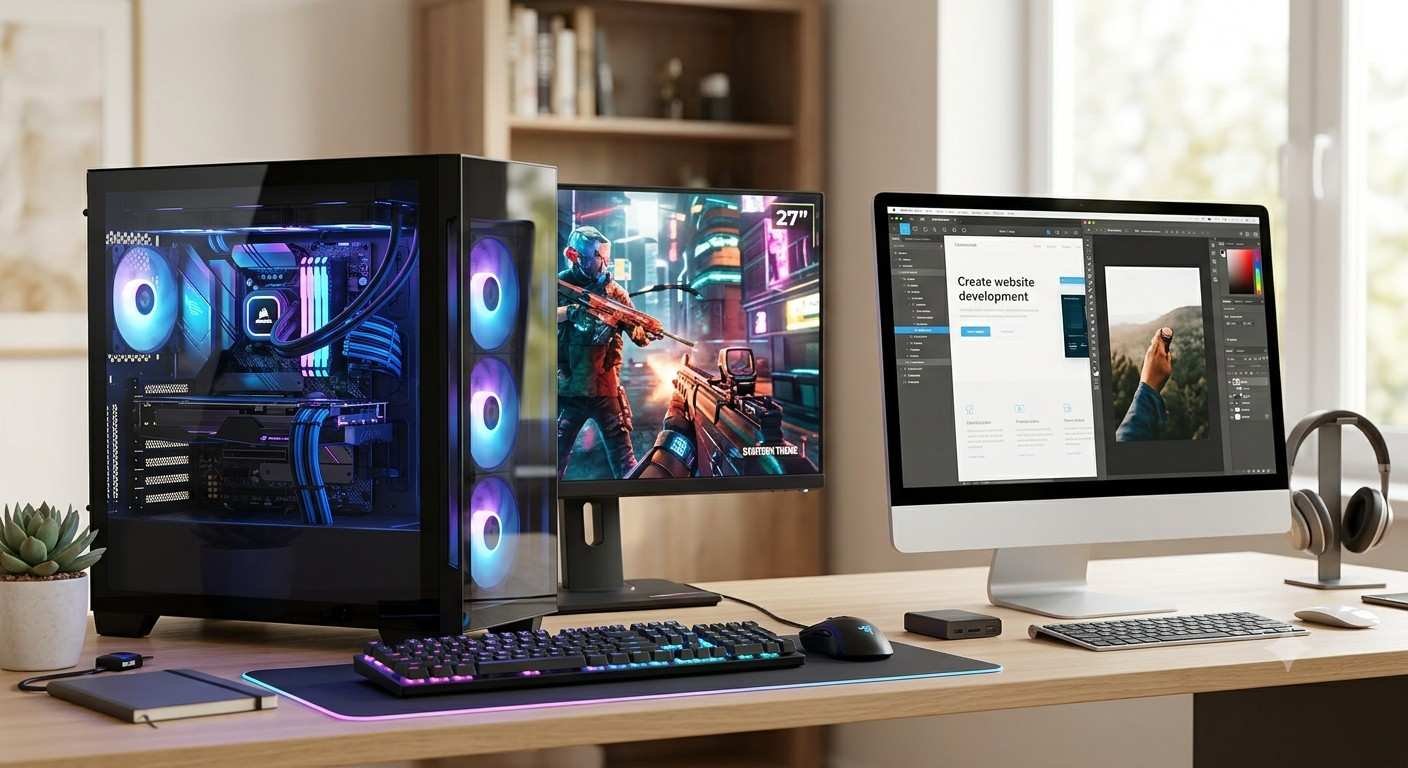
We live in an era dominated by portability. Smartphones sit in our pockets, tablets rest on our coffee tables, and ultra-thin laptops slide effortlessly into our backpacks. On the surface, it might seem like the bulky, stationary desktop computer is a relic of the past.
Yet, step into the studio of a professional video editor, the lab of a data scientist, or the room of a hardcore gamer, and you will see the same thing: a glowing, powerful Desktop PC.
Despite the convenience of mobile devices, the desktop tower remains the undisputed king of raw performance, longevity, and customization. Here is a deep dive into why desktop PCs continue to anchor the modern computing world.
1. Absolute Performance and Thermal Freedom
The biggest limitation of any portable device is physics. To make a laptop thin, manufacturers must pack components tightly together, drastically limiting airflow. When a mobile processor handles a heavy load, it generates heat, leading to thermal throttling—a safety mechanism where the computer intentionally slows down to prevent overheating.
Desktop PCs do not have this problem. Inside a spacious desktop chassis, there is ample room for massive heatsinks, multiple intake and exhaust fans, and even advanced liquid cooling loops. Because they stay cool, desktop components can run at maximum clock speeds indefinitely. A desktop processor will consistently outperform its mobile equivalent, even if they share the same name on paper.
2. Modularity: The Freedom to Upgrade
When you buy a laptop or an all-in-one computer, you are largely locked into your choice. If the graphics card becomes outdated three years later, your only real option is to replace the entire machine.
Desktop PCs offer the ultimate freedom of modularity. Every single part can be swapped out, upgraded, or repaired individually:
- Graphics Cards (GPUs): Slide out the old card and pop in a new one to instantly play the latest games or render 3D scenes faster.
- Storage and Memory: Adding another terabyte of high-speed SSD storage or doubling your RAM takes less than five minutes.
- The Motherboard & CPU: Even the core brain of the computer can be upgraded as technology evolves over the years.
This modularity makes desktops incredibly cost-effective over time. Instead of buying a new computer every few years, you simply upgrade a single part whenever you need a performance boost.
3. Customization and Personal Aesthetics
For many tech enthusiasts, a desktop PC is more than a tool—it is a piece of art and a form of personal expression. The desktop customization culture is massive.
From choosing a case with a panoramic tempered glass window to programming customized RGB lighting arrays, a desktop can be tailored to match any room’s vibe. Want a sleek, stealthy black box with zero lights for a minimalist office? Done. Want a vibrant, liquid-cooled powerhouse that synchronizes its colors with your gameplay? You can build exactly that.
4. Navigating the Desktop Landscape
If you are looking to bring a desktop into your setup, the market is generally split into three distinct categories. Choosing the right path depends on your budget and technical comfort level.
| Desktop Type | Best For | Pros | Cons |
| Custom-Built | Enthusiasts, Gamers, Creators | Maximum performance per dollar, 100% customized, easily upgradable. | Requires research and manual assembly. |
| Pre-Built Tower | Beginners, Professionals | Plug-and-play convenience, comes with a warranty, no technical knowledge needed. | Slightly higher cost, sometimes uses proprietary parts. |
| All-in-One (AIO) | Minimalists, Casual Users | Extremely clean aesthetic, takes up minimal desk space (PC is built into the monitor). | Limited upgrade options, runs hotter than towers. |
The Ultimate Productivity Anchor
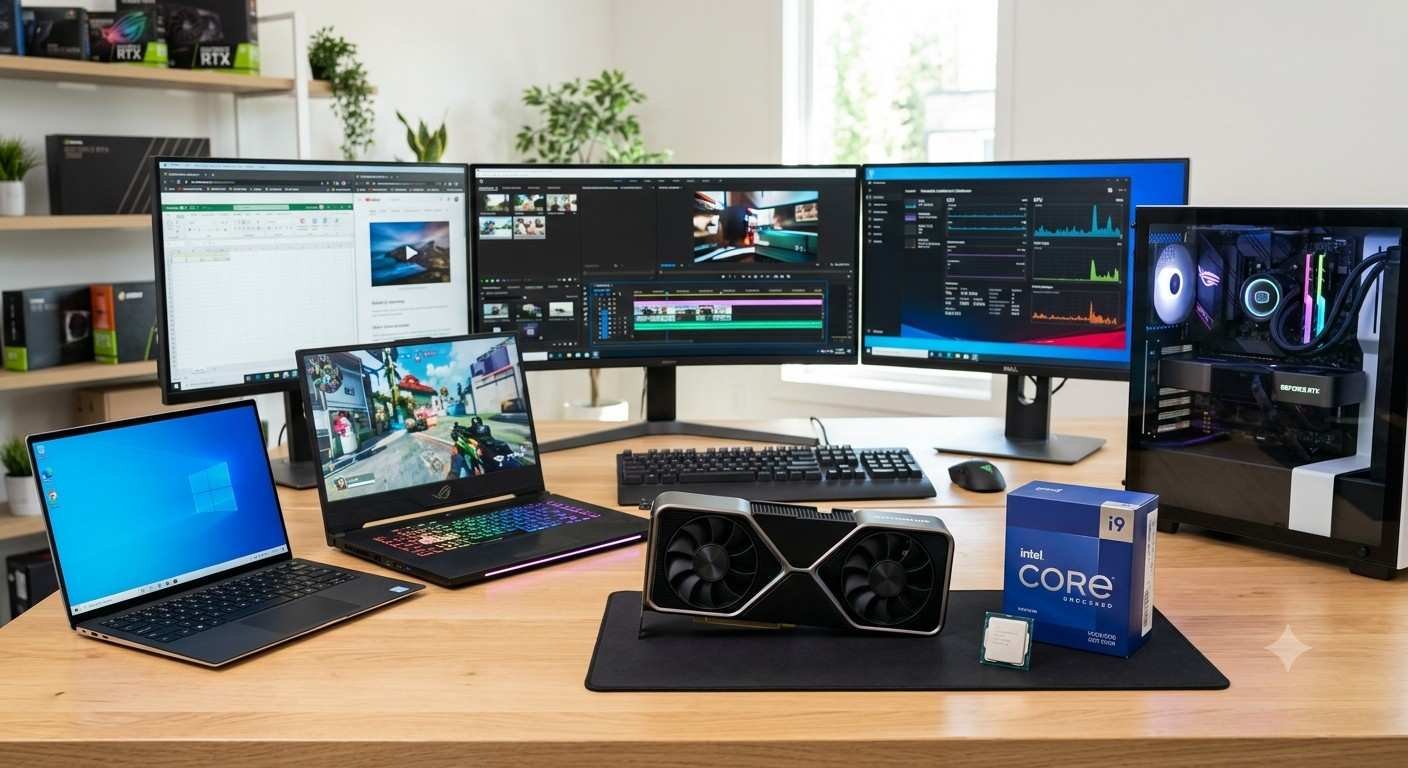
Ultimately, a desktop PC serves as the reliable anchor of your digital life. It is the powerhouse that handles the heavy lifting—whether that means archiving terabytes of family photos, encoding high-definition video, running complex simulations, or driving an immersive multi-monitor workstation.
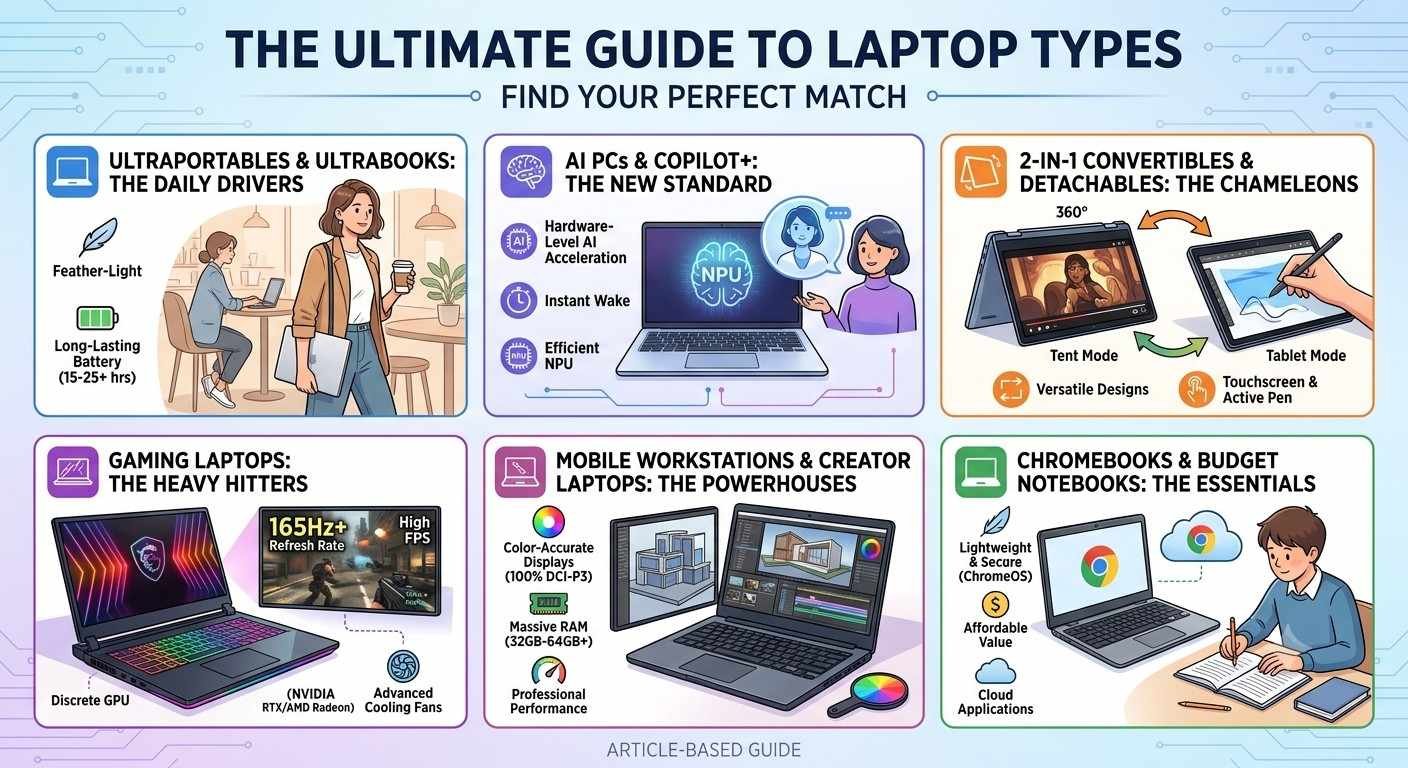
While laptops grant us the freedom to work from a coffee shop, the desktop PC gives us the power to build, create, and explore without limits. In a world that is constantly moving, there is still immense value in a machine that stands its ground.